
Skip Hire Services for End of Tenancy Waste Clearance Projects
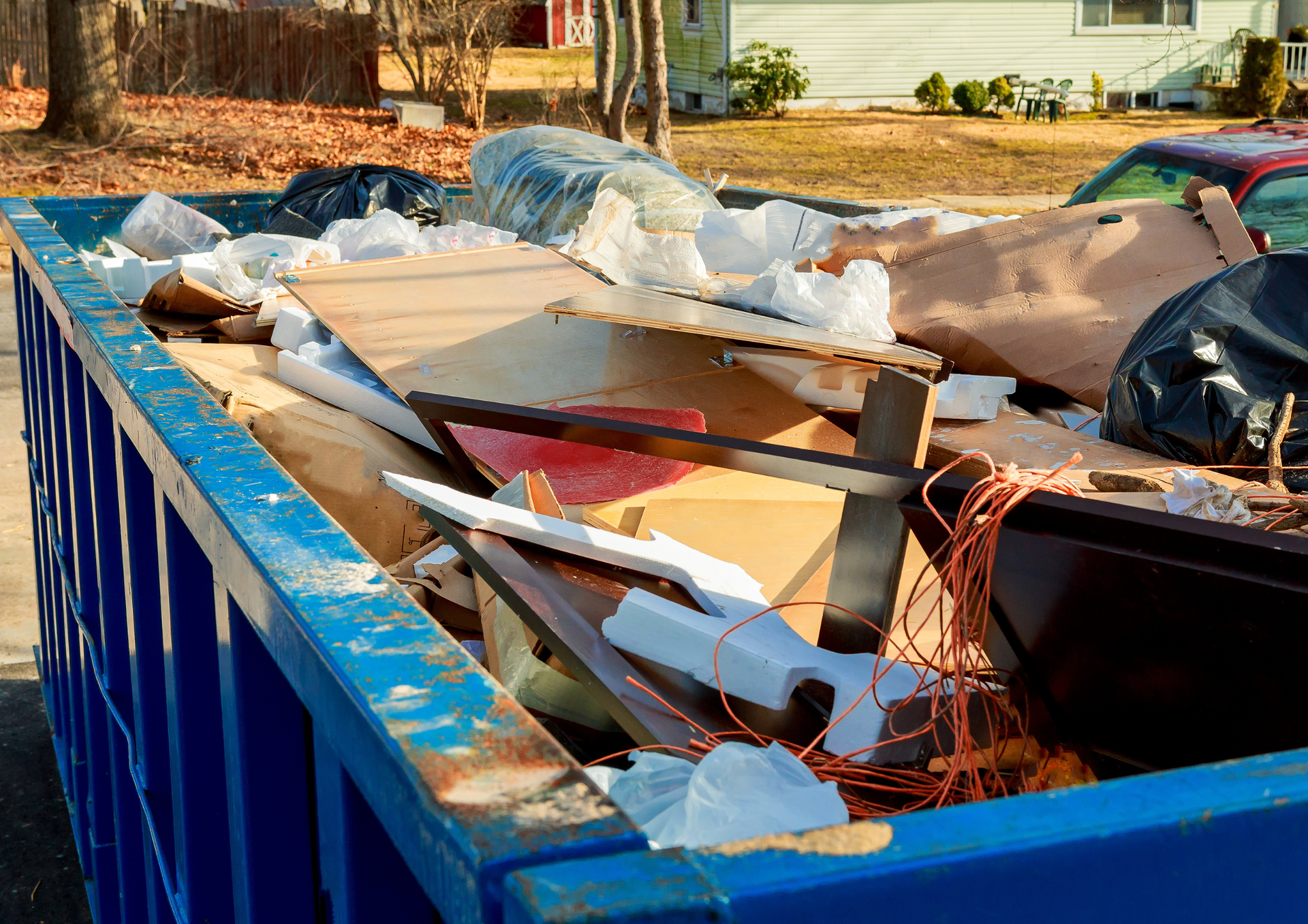
Moving out of a property can involve far more work than many people initially expect. Whether dealing with unwanted furniture, damaged household items, renovation debris, or accumulated rubbish left behind by previous occupants, end of tenancy clearance projects often require practical waste management and reliable skip hire solutions.
For homeowners, landlords, surveyors, and local authorities managing residential and commercial properties, organised waste disposal helps keep projects efficient, compliant, and easier to manage from start to finish.
Planning Waste Removal Before Clearance Work Begins
Successful end of tenancy clearance projects often begin with careful planning and organised waste management. Assessing the type and estimated volume of waste before work starts can help determine the most practical disposal arrangement for the property involved while reducing delays caused by overflowing waste or unsuitable container sizes.
Separating materials such as household rubbish, wood, metal, garden waste, cardboard, and construction debris can also improve collection efficiency and help maintain safer working areas throughout the clearance process. Accessibility and project timing are also important considerations when arranging waste removal services.
Narrow driveways, restricted parking, shared access routes, or busy urban environments may affect delivery positioning and loading procedures. Some tenancy clearances also involve strict deadlines linked to property sales, refurbishment work, or tenancy agreements, making reliable waste collection arrangements essential. Flexible disposal solutions can also help accommodate unexpected waste discovered during the project without causing unnecessary disruption.
Supporting Residential and Commercial Property Clearances
Residential tenancy clearances often involve a combination of general household waste and bulky items that cannot easily be removed through standard collection services. Sofas, wardrobes, mattresses, carpets, appliances, and damaged furnishings can quickly take up valuable space within a property, making organised skip hire arrangements useful during the clearance process.
Garden areas may also require attention, including overgrown vegetation, broken fencing, paving materials, and green waste. Efficient waste removal helps prepare properties for cleaning, repairs, maintenance work, or future occupancy while improving overall site organisation. Commercial clearance projects can involve additional logistical challenges depending on the type of premises involved.
Offices, retail units, warehouses, and industrial properties may contain packaging materials, shelving systems, office furniture, and non-hazardous construction debris that require organised disposal arrangements. Timely waste removal supports safer working environments and helps contractors, surveyors, local authorities, and property managers maintain efficient project schedules during refurbishment, redevelopment, or community clean-up work.
Maintaining Safe and Organised Clearance Environments
Safety remains an important consideration during any end of tenancy waste clearance project. Accumulated waste can create trip hazards, obstruct access routes, and increase handling risks for workers and occupants.
Maintaining organised disposal areas and using careful loading techniques can help reduce unnecessary hazards while protecting walls, flooring, doorways, and shared access spaces during removal work. This is particularly important in flats, apartment buildings, and commercial premises where access may be more limited.
Property clearances can also generate large amounts of dust, debris, and recyclable materials that require responsible handling throughout the project. Keeping waste contained within designated disposal areas helps maintain cleaner working conditions while reducing disruption to neighbouring properties or shared spaces.
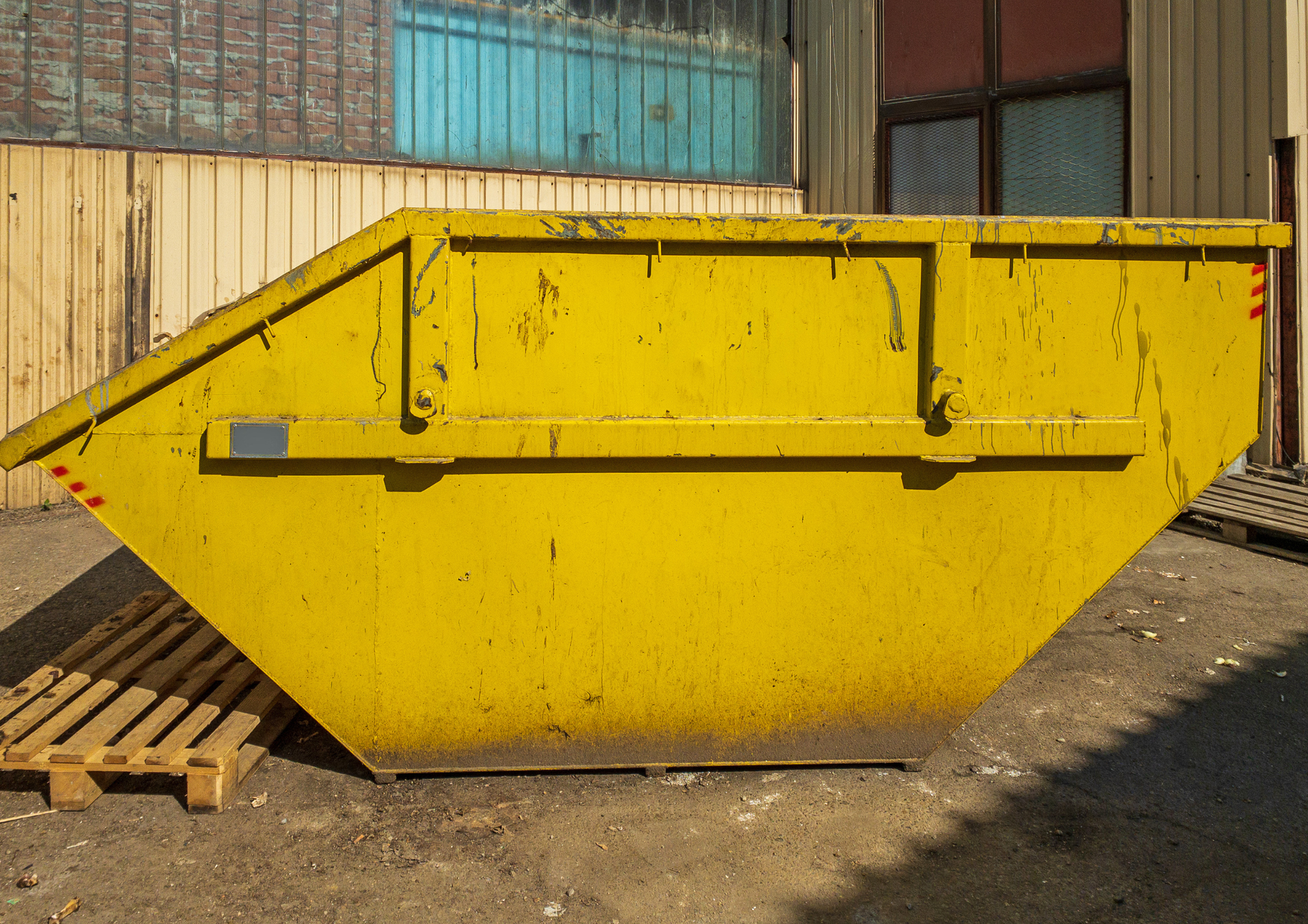
For those searching online for skip bin hire near me, choosing a provider familiar with tenancy clearance requirements can help improve project organisation, support responsible waste disposal, and accommodate flexible collection arrangements where needed.
Choosing Practical Waste Solutions for Property Projects
Selecting the right waste solution depends on the size and nature of the clearance project involved. Smaller residential clearances may require compact disposal arrangements suitable for restricted spaces, while larger commercial projects often generate higher waste volumes over extended periods.
Property owners and contractors should consider factors such as waste type, loading access, project duration, and expected disposal quantities when planning waste removal services to help maintain efficient site organisation throughout the project.
Those comparing best price skip bins often focus on finding a balance between practicality, reliable service, and efficient waste handling rather than simply choosing the lowest option available.
In situations involving urgent property preparation, same day skip bin hire can help support faster project progression when unexpected waste accumulates or strict tenancy deadlines apply.
Some property managers also prefer the convenience of being able to order skip bin arrangements in advance so collections can be coordinated alongside maintenance work, cleaning schedules, and contractor access requirements.
Our website has been designed to provide clear, practical, and reliable information for homeowners, landlords, surveyors, and local authorities managing waste clearance projects. We focus on straightforward guidance, professional support, and useful
skip hire information that helps visitors make informed decisions about property waste management requirements.
At Skip Hire Chester, we aim to deliver a professional and reassuring experience supported by helpful content, organised service information, and practical waste disposal solutions suitable for both residential and commercial properties.
Don't Miss Out on X:
Reliable skip hire for tenancy and property waste removal.
You might also like