
Hire Skip Near Me for Kitchen and Bathroom Refits and Renovations
Kitchen and bathroom refits are among the most popular property improvement projects undertaken by homeowners, landlords, surveyors, and local authorities. Whether upgrading a family home, modernising a rental property, or refurbishing commercial premises, these projects often generate significant amounts of waste.
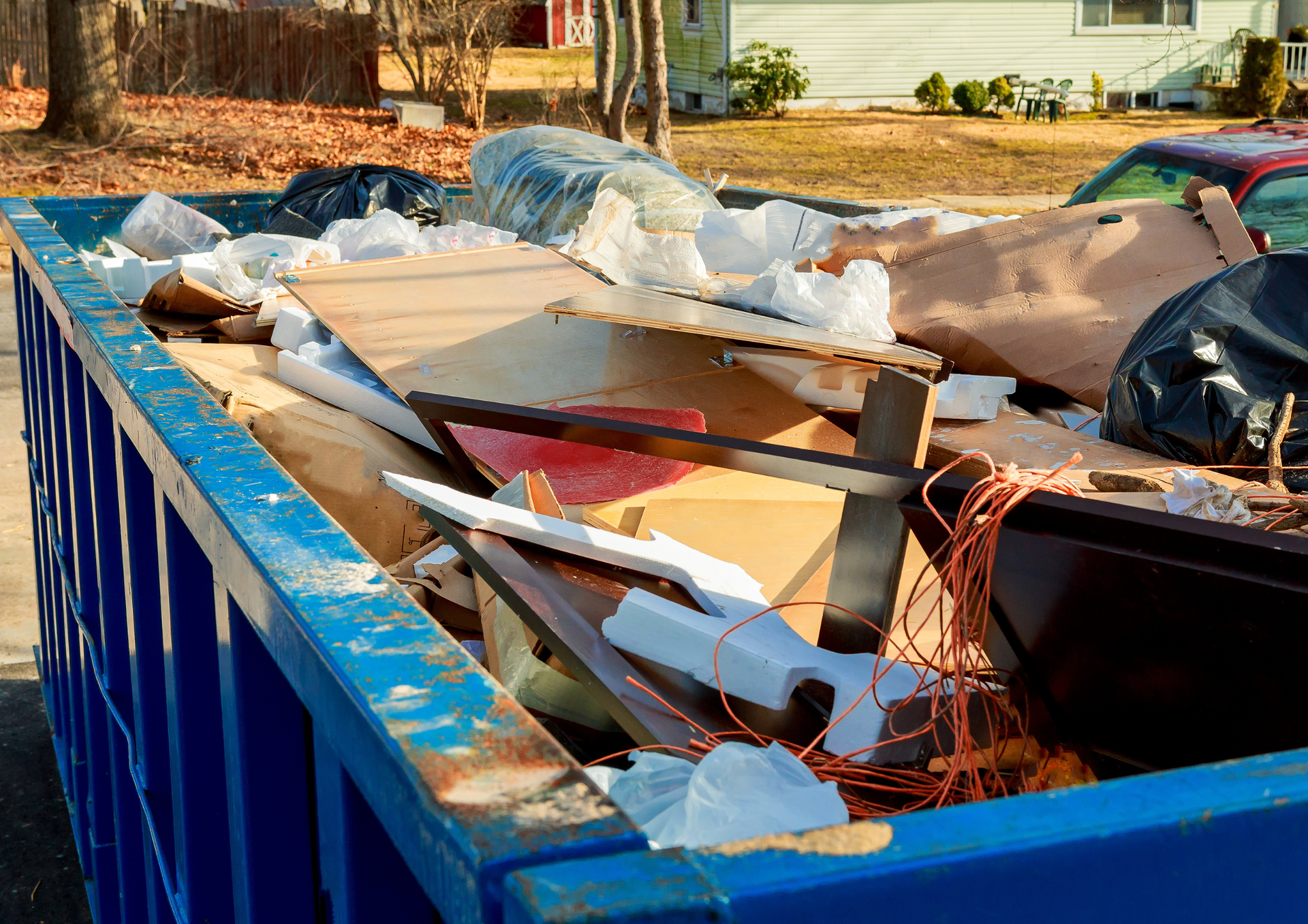
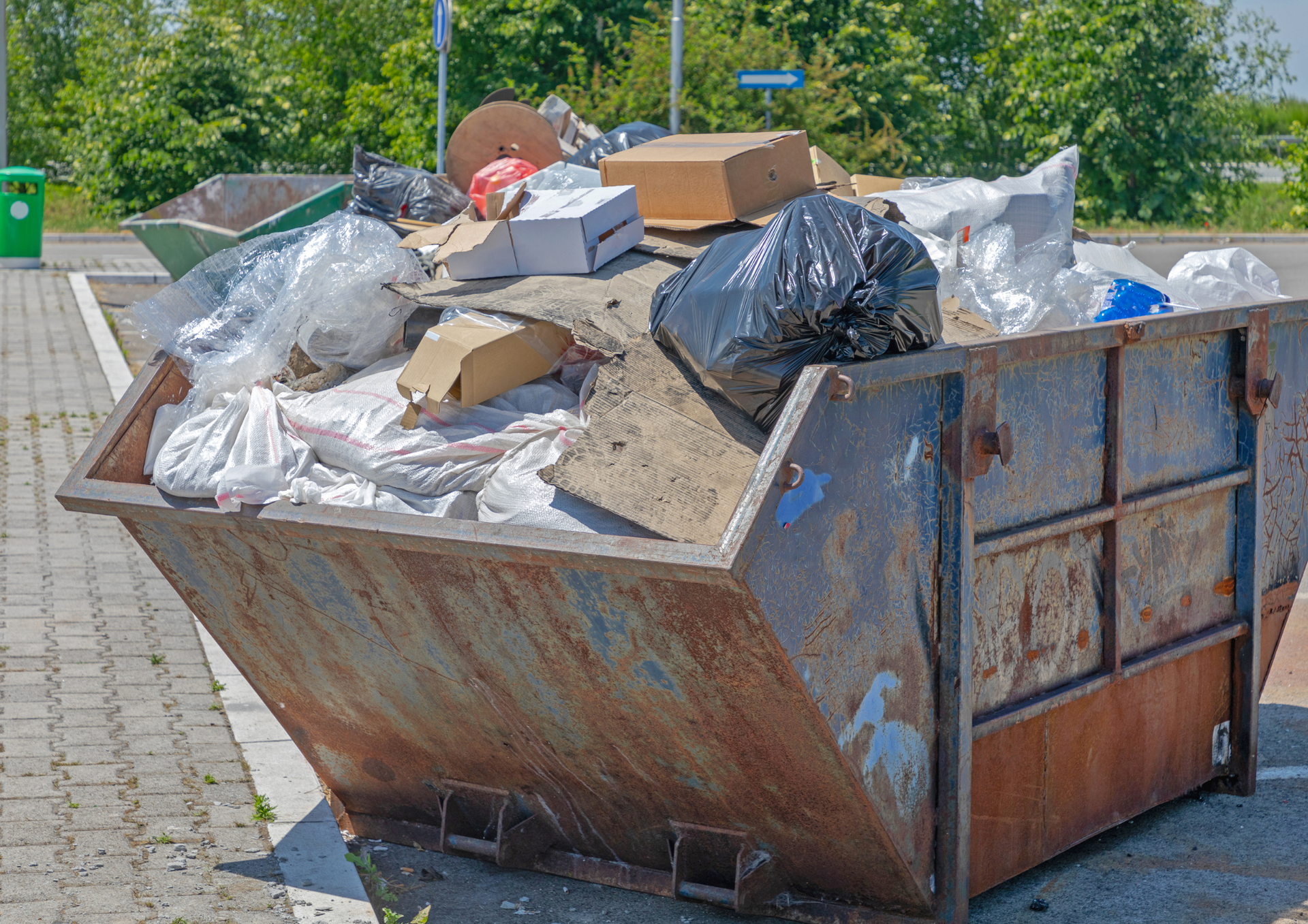
Old cabinets, broken tiles, plasterboard, sanitary ware, flooring materials, packaging, and general construction debris can quickly accumulate and create challenges for site organisation. Planning waste removal from the outset helps maintain a safer and more efficient working environment throughout the renovation process.
Effective waste management supports productivity, reduces clutter, and allows contractors and property owners to focus on the project itself rather than dealing with piles of unwanted materials. This is one of the reasons many people search for hire skip near me when preparing for renovation work.
Managing Waste During Kitchen Refits
Kitchen renovations often involve the removal of multiple fixtures and fittings before new installations can begin. Existing cabinets, worktops, appliances, wall coverings, flooring, and plumbing components may all require disposal.
Even relatively small kitchen refurbishments can generate a surprisingly large volume of waste, which is why many property owners search for hire skip near me when planning an organised and efficient renovation project. Many older kitchens contain bulky items that are difficult to transport using standard vehicles.
Attempting to store these materials around the property can create obstructions and reduce available working space. By arranging suitable waste containment before work starts, renovation teams can remove unwanted materials immediately and maintain a cleaner site throughout the project.
Kitchen refits also generate ongoing waste as work progresses. Packaging from new units, surplus materials, protective coverings, and offcuts can quickly accumulate. A dedicated waste solution allows these materials to be managed efficiently without interrupting the installation process.
For landlords preparing properties between tenancies, efficient waste management can also help minimise project delays. Faster waste removal often contributes to quicker refurbishment completion, helping properties return to use sooner.
Waste Disposal Considerations for Bathroom Renovations
Bathroom renovations generate a wide range of waste materials, many of which require careful planning and efficient disposal. From removing old fixtures to dealing with unexpected damage hidden behind walls and flooring, having a structured approach to waste management can help keep refurbishment projects organised and minimise disruption.
Common Bathroom Waste Materials
- Old baths and shower trays
- Shower enclosures and screens
- Sinks and toilets
- Wall and floor tiles
- Pipework and plumbing components
- Flooring materials and underlay
- Wall coverings and decorative finishes
Heavy and Bulky Materials
- Ceramic fixtures can be difficult to move due to their weight and size.
- Concrete-based materials and tile adhesive often add significant weight to renovation waste.
- Large quantities of broken tiles may accumulate quickly during demolition work.
- Many renovators consider hire skip near me during the planning stage to help manage these heavier waste materials efficiently.
Unexpected Waste During Refurbishment
- Water-damaged flooring and wall materials may only become visible once fixtures are removed.
- Hidden plumbing issues can create additional waste requirements.
- Structural repairs may generate extra debris that was not included in the original renovation plans.
- Sufficient waste capacity provides flexibility when unforeseen materials require disposal.
Project Planning and Site Organisation
- Effective waste management helps maintain a cleaner and more organised work area.
- Proper disposal arrangements can reduce delays and improve overall project efficiency.
- Surveyors and project managers often recommend comprehensive waste planning as part of successful refurbishment programmes.
- Well-managed waste removal supports smoother project progression from start to finish.
Choosing the Right Skip Size for Renovation Projects
Selecting the right skip size is an important part of planning any kitchen or bathroom refurbishment. Waste volumes can vary considerably depending on the scope of the work, making it beneficial to assess disposal requirements before the project begins.
Factors That Influence Skip Size Requirements
- Small Refurbishment Projects
- Replacing a limited number of fixtures and fittings.
- Minor bathroom or kitchen upgrades.
- Lower volumes of demolition and construction waste.
- Larger Renovation Projects
- Structural alterations and layout changes.
- Extensive tiling and flooring replacement.
- Multiple room refurbishments completed at the same time.
- Full property modernisation projects generating substantial waste volumes.
- Avoiding Project Delays
- Underestimating waste capacity can lead to interruptions and additional collection arrangements.
- Overestimating requirements may result in unused space and unnecessary expenditure.
- Careful planning helps maintain efficiency throughout the renovation process.
- Key Considerations When Choosing a Skip
- Number of rooms being renovated.
- Types of materials being removed.
- Expected project duration.
- Volume of packaging from new fixtures and fittings.
- Potential for unexpected waste during demolition work.
- Budget Planning
- Many property owners research skip hire prices near me when preparing renovation budgets.
- Understanding potential waste management costs early helps support more accurate project planning and financial forecasting.
Supporting Residential and Commercial Refurbishment Projects
Renovation projects take place across a wide range of property types. Homeowners often undertake kitchen and bathroom upgrades to improve functionality, increase comfort, or enhance property value. Landlords may carry out refurbishments to maintain rental standards and attract tenants.
Commercial property owners frequently modernise washrooms, staff facilities, kitchens, and communal areas to improve workplace environments and meet operational requirements. Local authorities may also manage refurbishment projects within public buildings, housing stock, and community facilities.
Regardless of the property type, effective waste management remains a critical component of successful project delivery. Organised waste removal helps maintain safe working conditions while reducing disruption for occupants, neighbouring properties, and site personnel.
Many renovation projects involve multiple contractors working simultaneously. Electricians, plumbers, tilers, decorators, and installers often share the same workspace. Keeping waste under control supports better coordination between trades and contributes to improved site efficiency.
For short-duration refurbishment work, some property owners consider 1 day skip hire near me when arranging temporary waste disposal solutions for focused renovation activities.
Environmental Considerations During Renovation Waste Removal
Responsible waste management is an important consideration during any kitchen or bathroom refurbishment. Beyond simply removing unwanted materials, many renovation projects create opportunities to recycle or recover certain types of waste, helping to reduce environmental impact while maintaining an organised work site.
Materials Suitable for Recycling
- Metals from pipework, fittings, and fixtures.
- Timber from cabinets, shelving, and framework.
- Certain plastics from packaging and removed components.
- Aggregates, tiles, and construction materials where appropriate.
- Other recyclable materials generated during refurbishment work.
Benefits of Efficient Waste Management
- Helps reduce the volume of waste requiring final disposal.
- Supports cleaner and more organised renovation sites.
- Encourages responsible handling of construction and demolition materials.
- Assists property owners looking for practical skip hire near me solutions during refurbishment projects.
Supporting Sustainable Renovations
- Waste management forms part of a broader environmentally conscious approach.
- Can complement energy-efficient upgrades and sustainable building materials.
- Helps property owners reduce unnecessary waste throughout renovation work.
- Encourages better planning from the beginning of the project.
The Importance of Early Planning
- Surveyors and project managers often incorporate waste reduction strategies into refurbishment plans.
- Early preparation can improve waste handling efficiency.
- Proper planning helps identify recycling opportunities before work begins.
- A structured approach supports both operational and environmental objectives throughout the project lifecycle.
Improving Site Safety and Organisation
Renovation environments can quickly become congested if waste materials are allowed to accumulate. Broken fixtures, sharp materials, loose packaging, and construction debris may create trip hazards and reduce accessibility within the work area.
Maintaining a dedicated waste collection point helps support safer site conditions. Contractors can dispose of unwanted materials promptly, reducing the likelihood of waste obstructing access routes or workspaces.
Improved organisation also contributes to greater efficiency. Workers spend less time moving materials around the site and more time focusing on productive tasks. This can be particularly beneficial on projects operating within tight schedules.
For landlords and commercial property managers, maintaining organised refurbishment sites may also help minimise disruption to neighbouring occupants or adjacent operational areas during renovation work.
Planning Waste Removal Before Work Begins
Successful renovation projects often depend on thorough preparation. Waste management should be considered alongside other key planning activities such as contractor scheduling, material deliveries, project timelines, and budget allocation.
Arranging waste disposal in advance helps avoid last-minute complications once work begins. It also allows property owners to better estimate overall project requirements and ensure resources are available when needed.
Renovation projects frequently generate more waste than initially anticipated. Old materials may occupy more space once removed than expected, and additional work may uncover further materials requiring disposal. Planning ahead provides greater flexibility to accommodate these variables.
Many property owners who need practical renovation waste solutions choose to rent a skip near me before work starts to ensure disposal arrangements are in place from the first day of the project.
Skip Hire Chester
provides dependable waste management support for homeowners, landlords, surveyors, local authorities, and commercial property managers undertaking renovation projects. We focus on delivering practical waste disposal solutions that help keep refurbishment work organised and efficient from start to finish.
Our website offers clear information, helpful guidance, and straightforward support for a wide range of property improvement projects. We understand the challenges associated with renovation waste and aim to make disposal planning as simple and convenient as possible.
Whether you are upgrading a kitchen, modernising a bathroom, refurbishing a rental property, or managing a larger commercial renovation, we are committed to providing professional support that helps your project run smoothly and efficiently.
Latest Post on X:
Hire skip near me solutions for refit and refurbishment waste.
You might also like