
What Can and Can’t Go Into a Large Skip? Clear Rules for Users
When planning a major project — whether it’s a home renovation, office clearance, garden overhaul, event clean-up, or construction job — understanding what can and cannot be placed in a skip is essential. Different materials have different rules, and following them ensures safe disposal, legal compliance, and smoother waste management.
This guide provides a clear breakdown to help anyone stay informed and avoid unexpected issues.
Common Everyday Waste That Can Safely Go Into a Large Skip
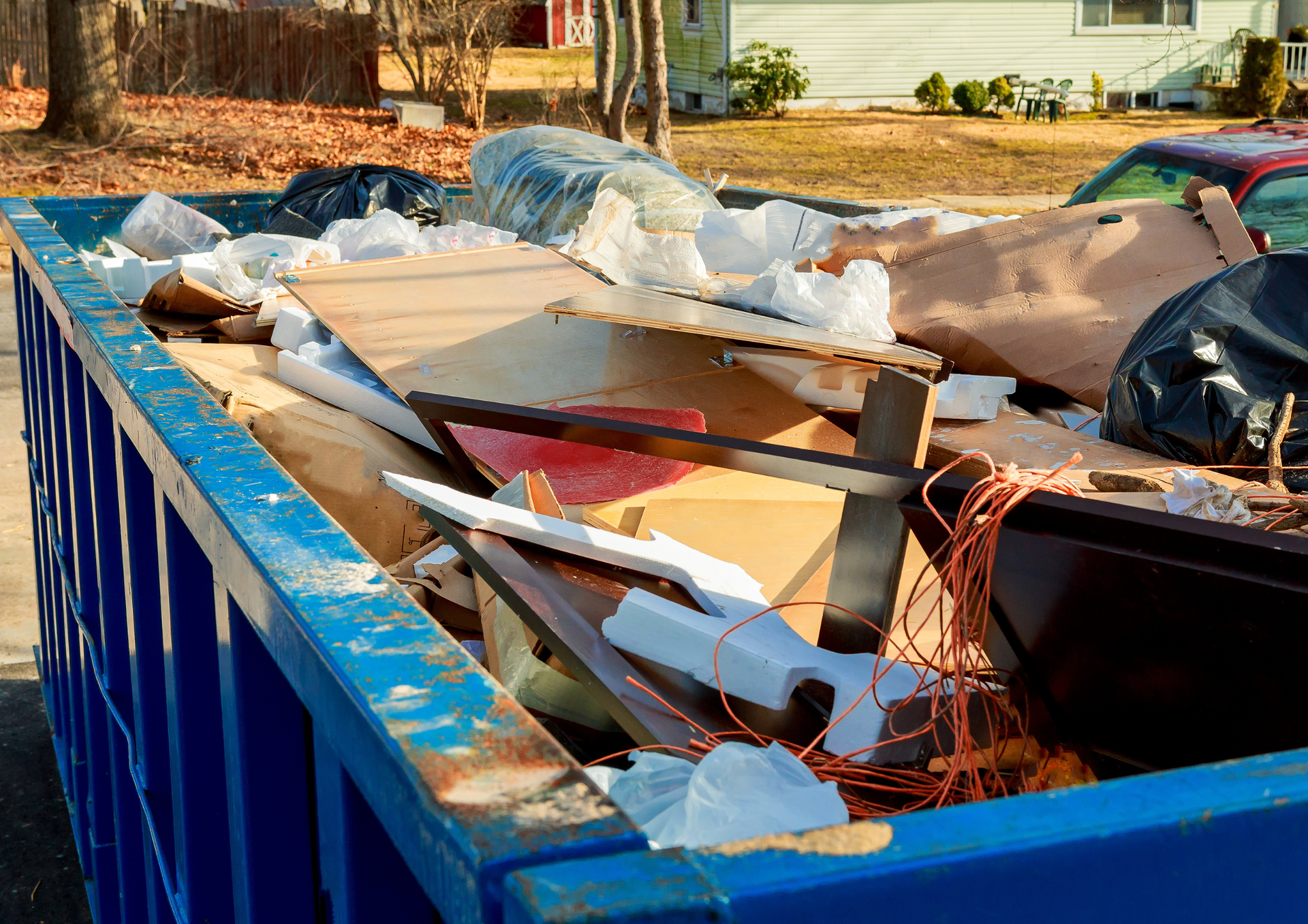
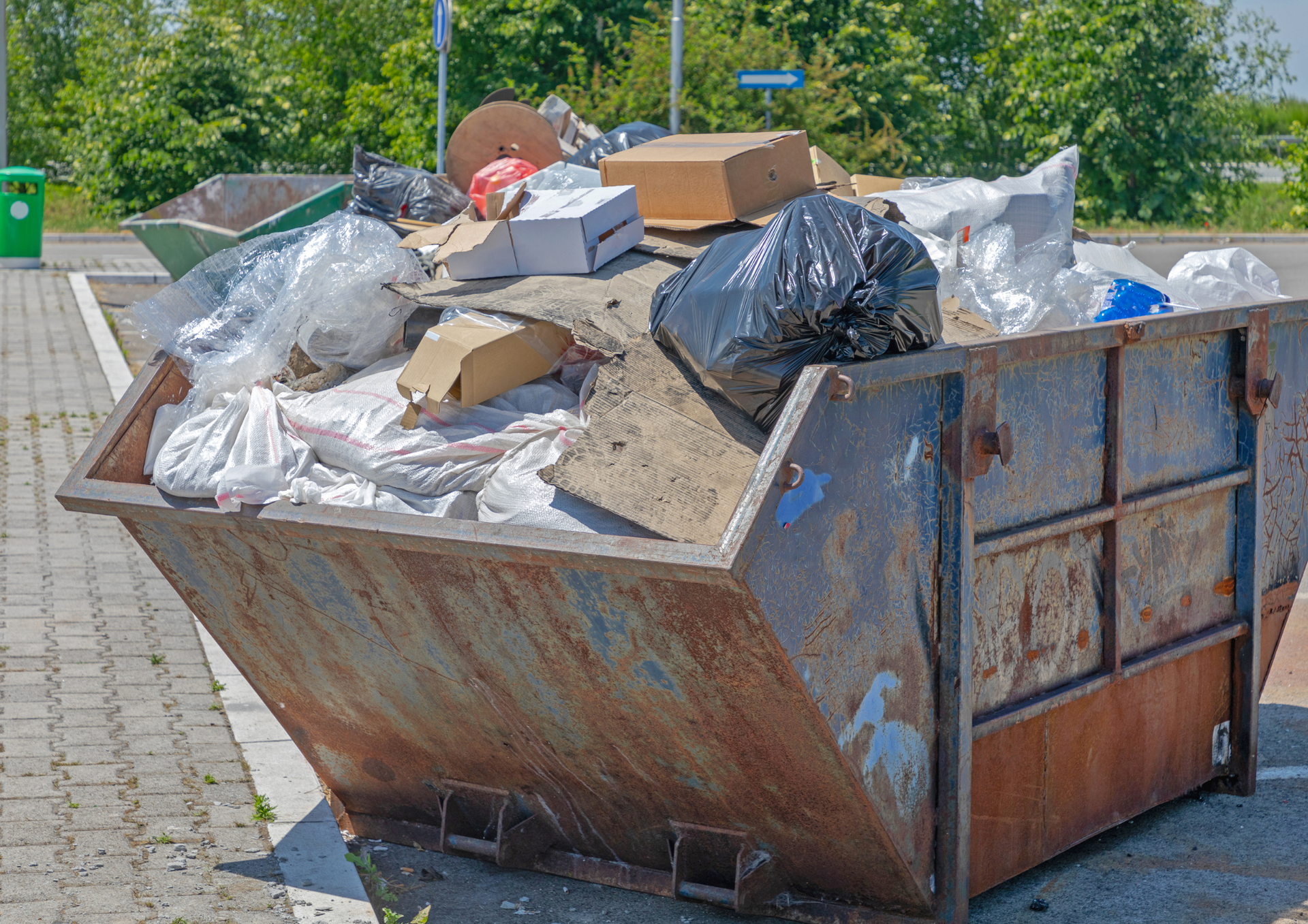
Before starting any project, it helps to know which materials are fully permitted in standard skip containers. Most general household and construction waste is acceptable, making them extremely versatile for large-scale clearances. Items such as furniture, cardboard, plastics, packaging, soil, rubble, non-electrical fixtures, and general renovation debris can be placed inside without concern. This makes large skip hire a practical option for removing clutter, clearing out lofts or garages, and supporting building work.
Businesses and individuals completing bigger projects also appreciate the flexibility offered by big skip hire, especially when handling mixed non-hazardous waste from both commercial premises and residential properties. From dismantled shelving units to old carpets or garden branches, the majority of everyday waste materials can be disposed of easily and responsibly.
Those searching for large skip hire near me typically require a reliable solution that manages bulk disposal efficiently and meets local waste-handling standards. These skips accommodate a substantial amount of general rubbish, helping reduce trips to recycling centres and keeping work areas tidy.
Construction and Heavy Materials Suitable for Larger Skips
Large-capacity skips are particularly popular among builders and renovation teams who often need to handle dense, heavy materials. Bricks, hardcore, tiles, concrete, gravel, sand, and soil are all acceptable as long as the skip provider permits mixed inert waste. These materials are commonly found in demolition work, landscaping, refurbishments, or property extensions and can be loaded safely when distributed evenly to avoid exceeding permitted weight limits.
For substantial renovation projects, the use of big skip bins ensures that large volumes of structural waste can be transported and disposed of correctly. These bins are designed to withstand the added pressure associated with heavy materials, making them a dependable choice for construction companies aiming to maintain clean, hazard-free sites.
It’s also worth noting that while heavy items are generally acceptable, users should always avoid overfilling. Keeping waste below the top edge helps maintain safe transportation and ensures full compliance with regulations. If uncertain about specific materials, a quick check with the skip provider can prevent complications later.
Items That Cannot Go Into a Large Skip
While large skips are suitable for most general waste, certain materials are strictly prohibited due to safety, environmental, and legal regulations. Understanding these restrictions helps prevent delays, surcharges, and potential hazards. Below is a simple breakdown of what must not be placed in a skip:
- Hazardous liquids and chemicals, including paint tins containing liquid, oils, solvents, petrol, and chemical cleaners, as they pose contamination and fire risks.
- Batteries, including car and household batteries, which contain corrosive and toxic materials requiring specialist disposal.
- Medical waste, such as sharps, clinical materials, and pharmaceutical items, which must be collected through approved healthcare channels.
- Asbestos, which is highly dangerous and must only be handled by licensed asbestos removal specialists.
- Tyres and gas bottles, as they require controlled disposal methods and cannot be mixed with general waste.
- Electrical appliances — including fridges, freezers, microwaves, TVs, and computers — because they fall under WEEE regulations and must be taken to approved recycling centres.
- Contaminated materials,
such as insulation, chemicals, or any waste that could leak or ignite during transport.
Many property owners compare large skip hire prices when preparing for major projects, and knowing these restrictions in advance helps avoid unexpected charges or rejected loads. Staying informed ensures safe, compliant, and efficient waste disposal from start to finish.
Practical Tips for Maximizing Space and Ensuring Safe Use
Using a large skip efficiently requires a bit of planning. With the right approach, you can maximise space, maintain safety, and keep your project running smoothly. Below are simple, practical steps to follow:
- Break down bulky items first such as wardrobes, chairs, and kitchen units to create more usable space. Smaller sections stack better and reduce wasted gaps.
- Place heavy materials at the bottom, including soil, bricks, tiles, and hardcore. This keeps the skip balanced and prevents strain on the skip walls.
- Add lighter waste on top, like cardboard, wood, or soft furnishings, to maintain stability and avoid shifting during transport.
- Sort waste in advance to speed up loading. Separating materials helps ensure nothing prohibited is accidentally placed inside.
- Communicate with others on-site, including contractors, neighbours, or family members, so everyone understands what can and cannot be disposed of.
- Plan for large-scale work by allocating loading roles or clear areas for different waste types, especially when arranging large skip hire for full-property clearouts or building projects.
Skip Hire Chester provides dependable, straightforward, and professional skip services for projects of all sizes. Our team offers clear guidance, transparent information, and reliable support to help every customer feel confident when disposing of waste. We supply a wide range of sizes, flexible hire options, prompt delivery, and environmentally responsible disposal practices. With dedicated support for construction teams, homeowners, landscapers, and commercial clients, we make waste management simple, safe, and efficient. Whether you’re planning a small job or arranging a
large skip hire, we ensure you get the right skip, the right advice, and consistent support from start to finish.
Latest post on X:
Large skip hire guide – what’s allowed and what’s forbidden!
You might also like